Facilitating Reconciliation, Recovery, and Violence Prevention in Rwanda
Facilitating Reconciliation, Recovery, and Violence Prevention in Rwanda
Ten Years!
It’s been ten years that CFOR and our Partner GER have been working closely together, supporting the reconciliation process in Rwanda. There has been powerful feedback about its impact from participants, and from Local and National Authorities over all these years.
We are in the midst of documenting some of the extraordinary and transformative experiences that have occurred in our Forums these past ten years, among survivors and perpetrators of the 1994 Genocide against Tutsi. (See also our film series and interviews here).
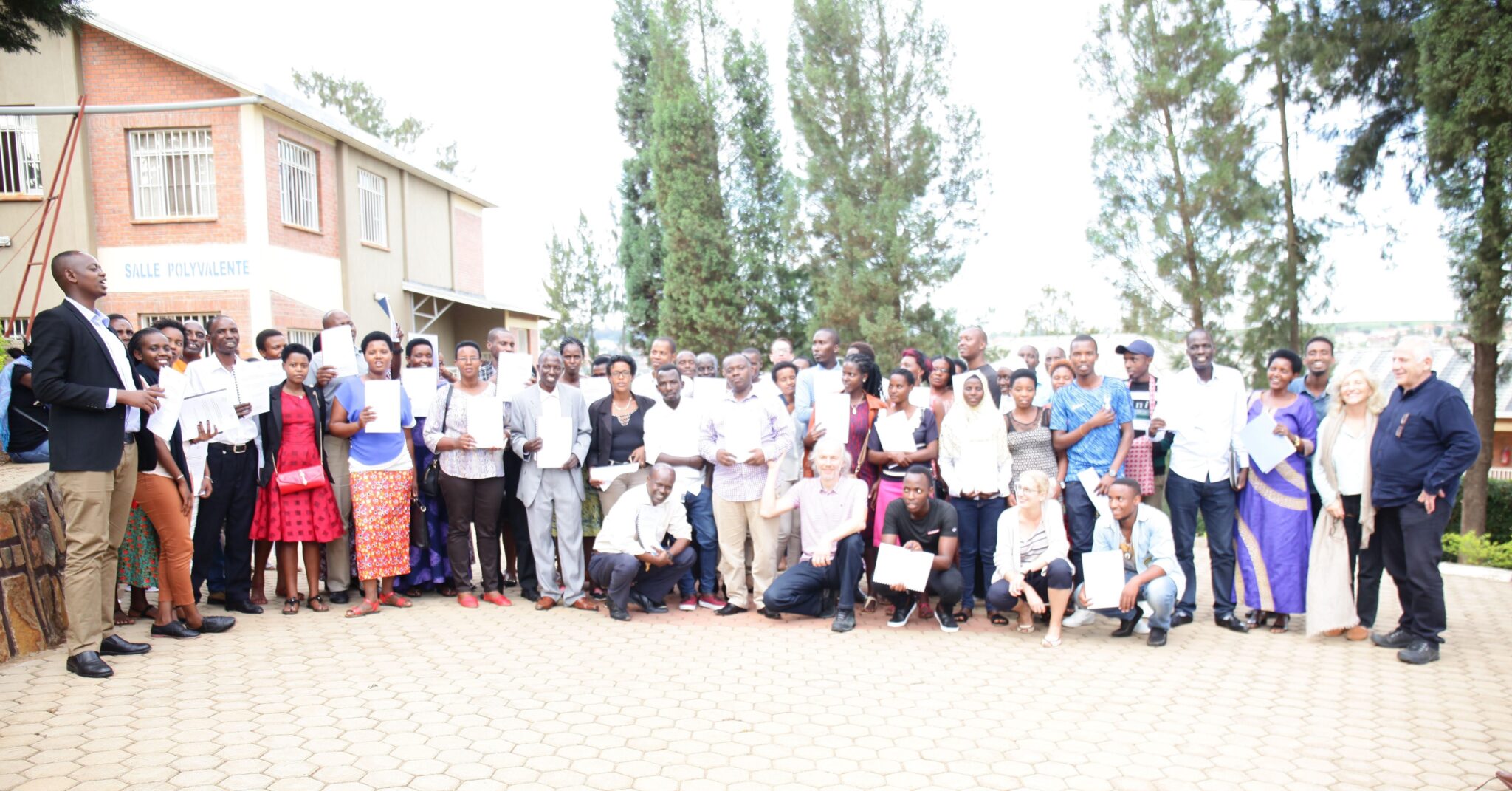
Both elders and youth who have been involved with our programmes are passionate about contributing to the reconciliation process in Rwanda, and to preventing future violence. In our newest phase of our programme in Rwanda, we are training 50 Facilitators from 6 Districts.
As we reflect on our ten years, we increasingly recognize the importance of making our work known and visible, in these times – and for the fields of peace-building and genocide prevention. We want to underscore the vital role of community facilitation in grappling with accountability, community trauma, preventing cycles of violence, and finding a sense of possibility and pathways forward.
Overview of our Programme in Rwanda
Our Programme in Rwanda
CFOR is supporting the vital work of reconciliation, community recovery, and violence prevention, in the aftermath of the 1994 Genocide, together with our Partner in Rwanda, Innocent Musore of GER (Global Initiatives for the Environment and Reconciliation), and in cooperation with Local and National Authorities.
Innocent made contact with Arlene and Jean-Claude Audergon CFOR’s Founders, with a dream of making a contribution to his country and the Great Lakes region – asking if we might work with him to bring CFOR’s programme of post-conflict recovery and violence prevention to Rwanda, and potentially to Burundi and the DRC. We first invited Innocent to the UK to take part in our Intensive course, so that we could meet, and he could learn about our work.
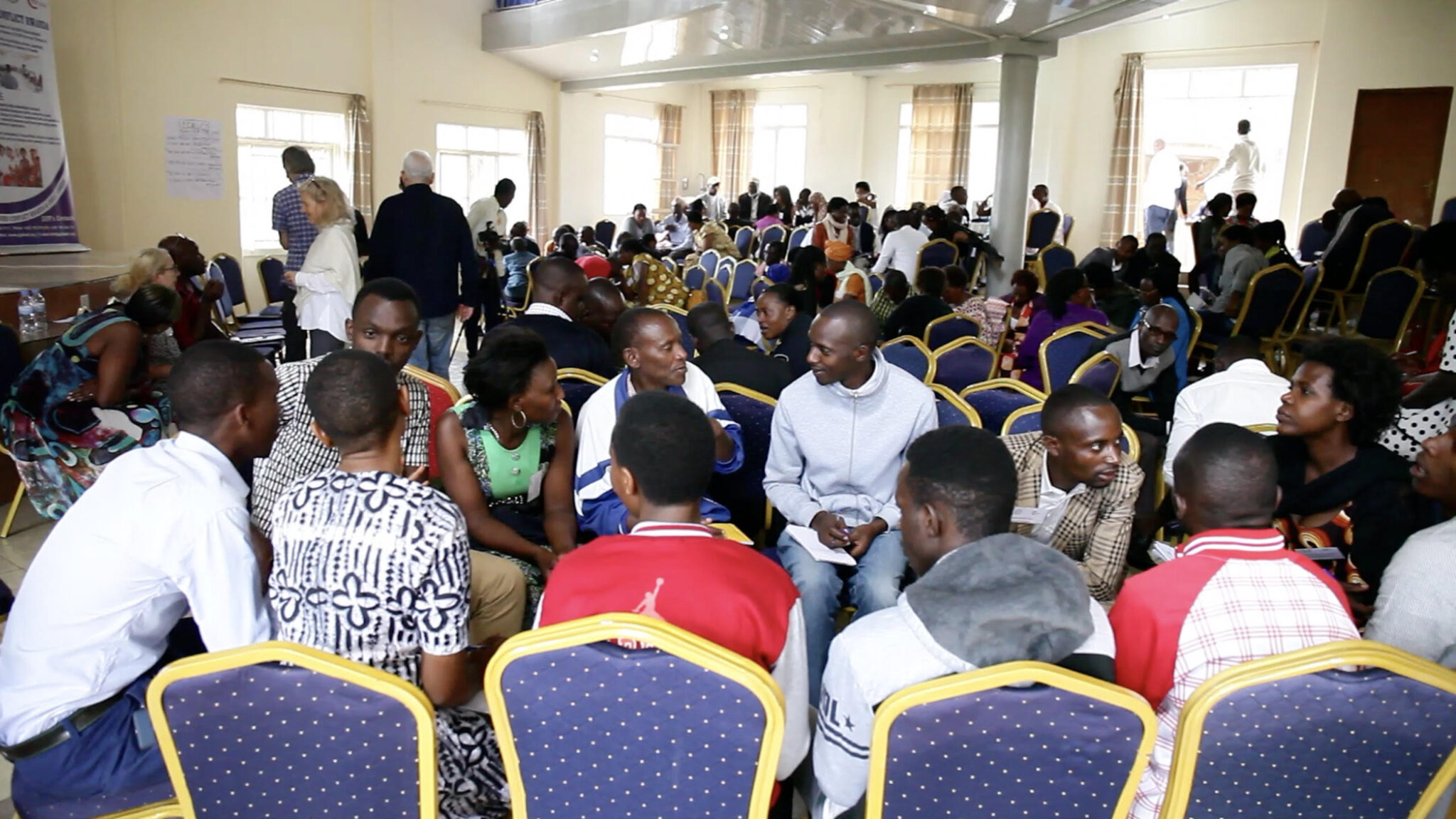
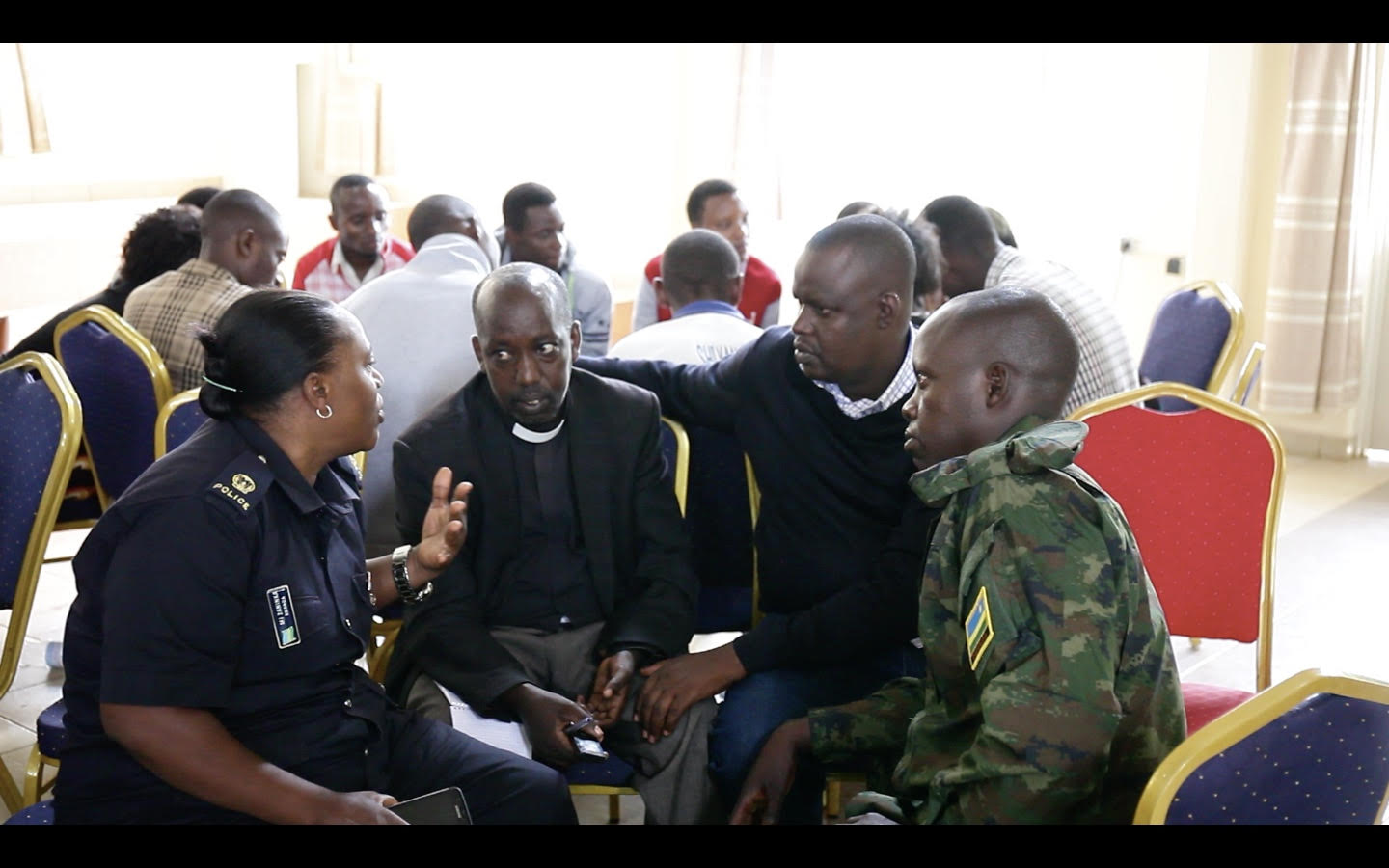
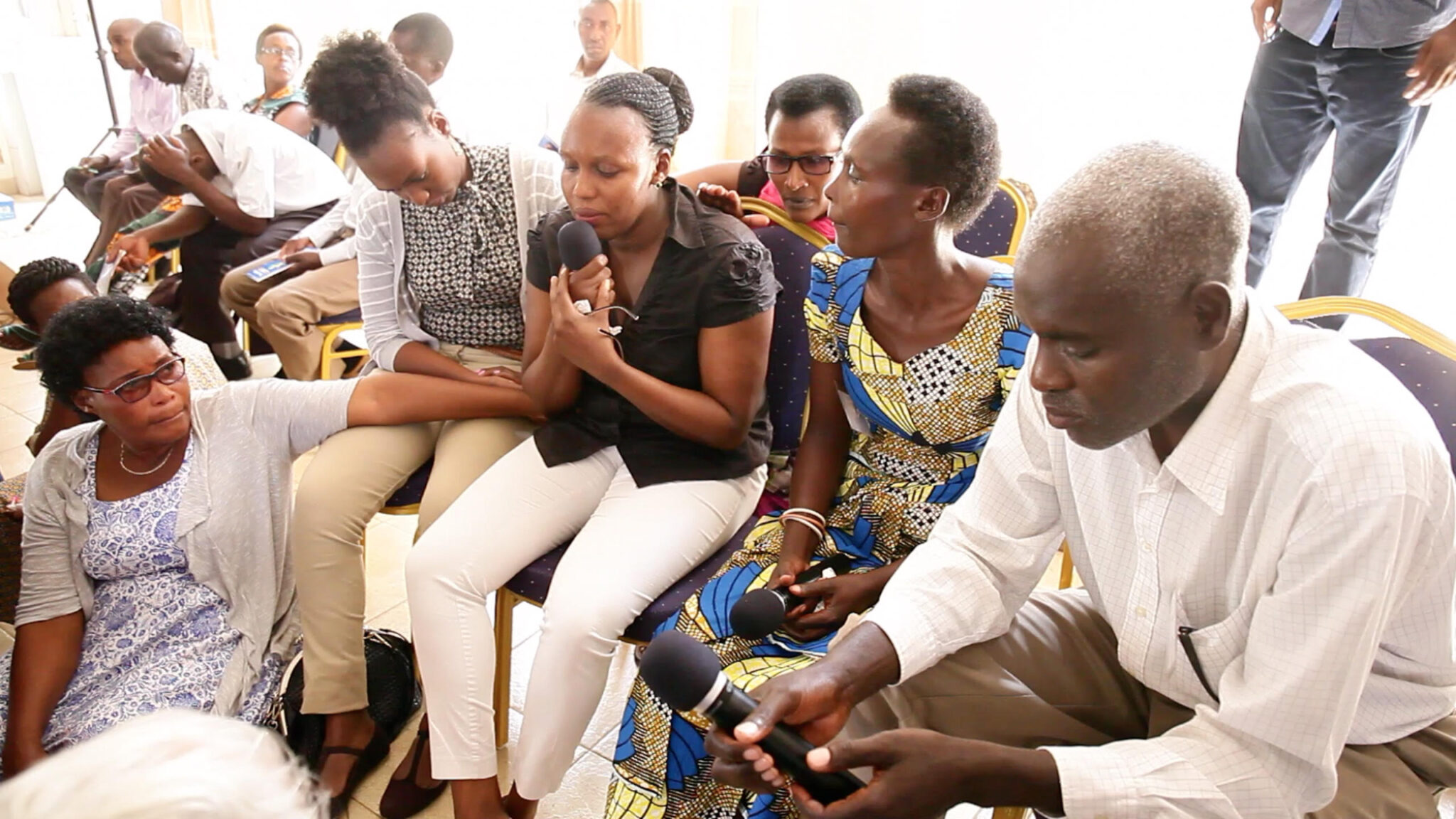
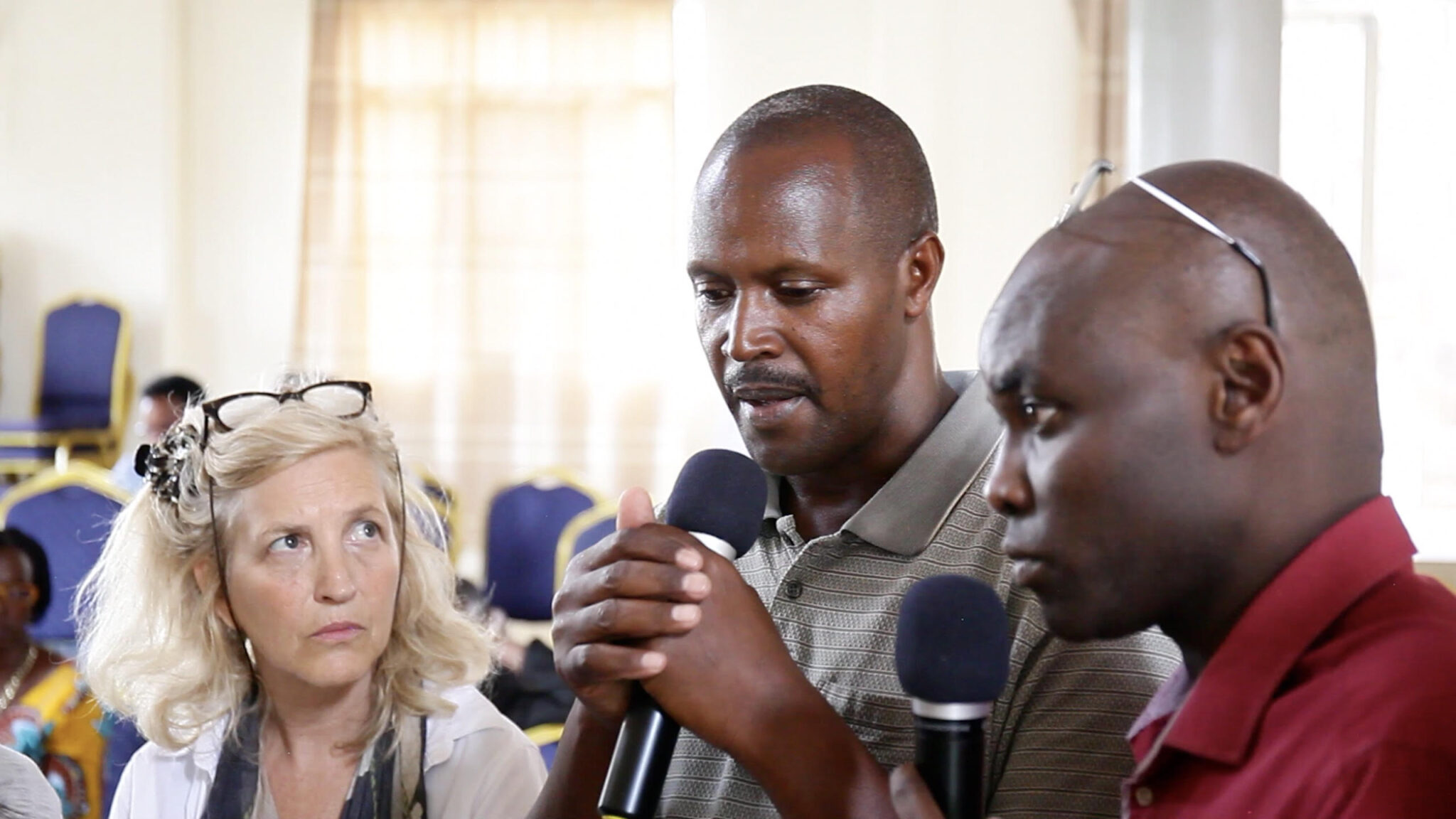
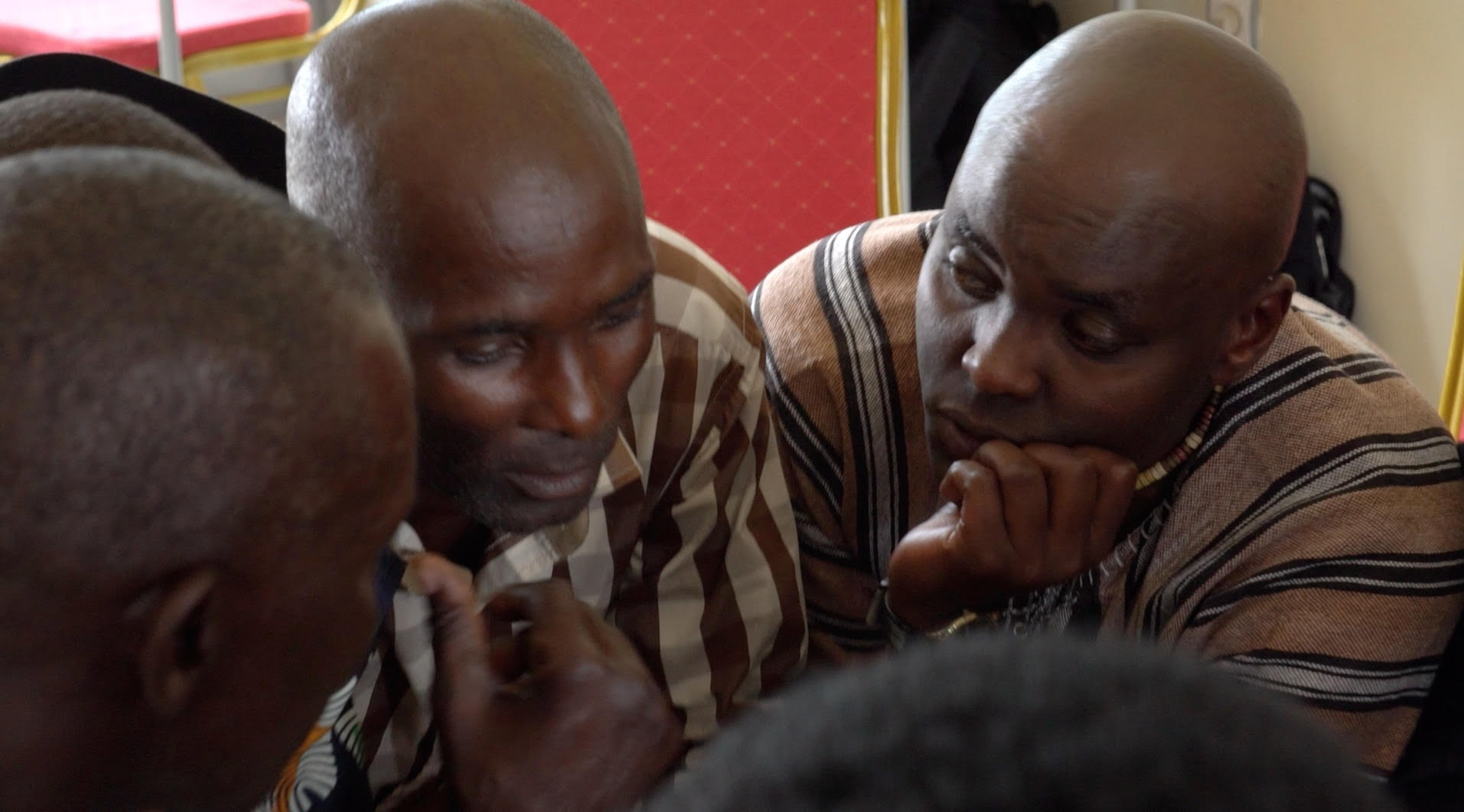
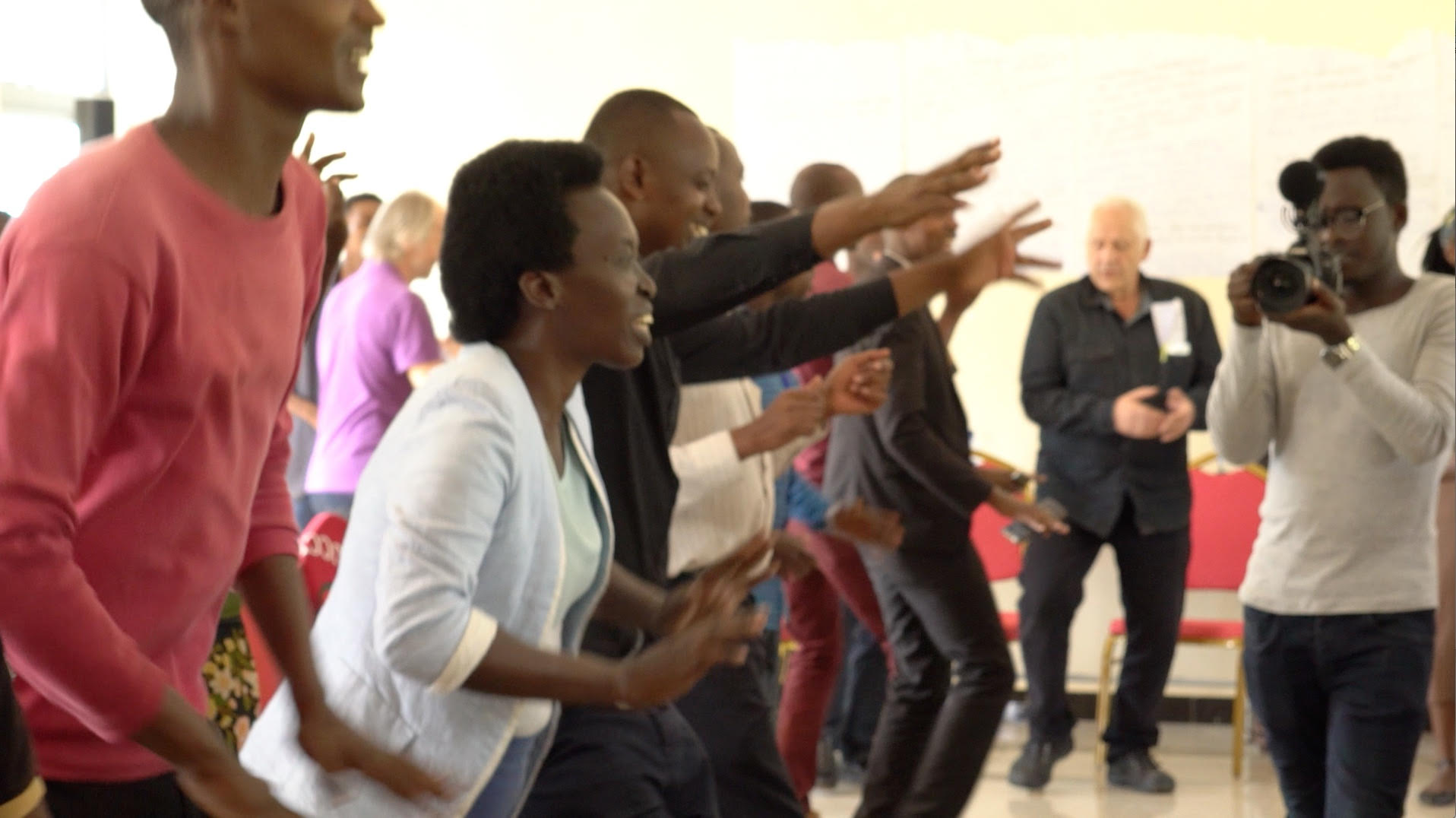
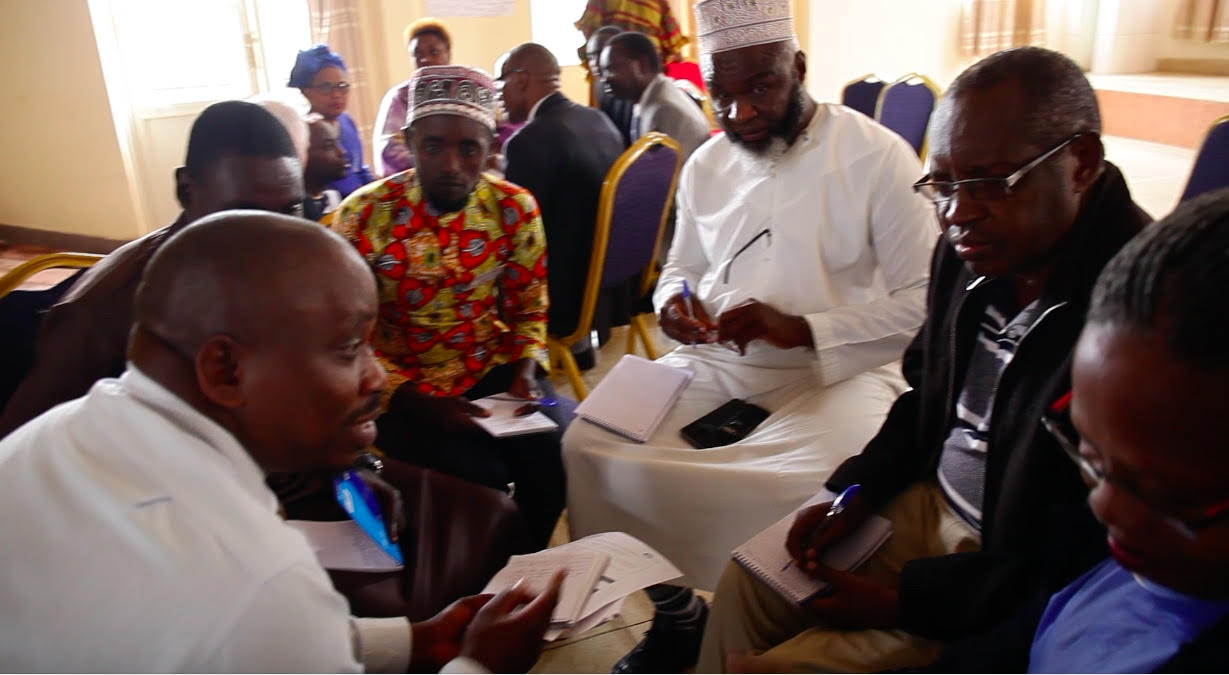
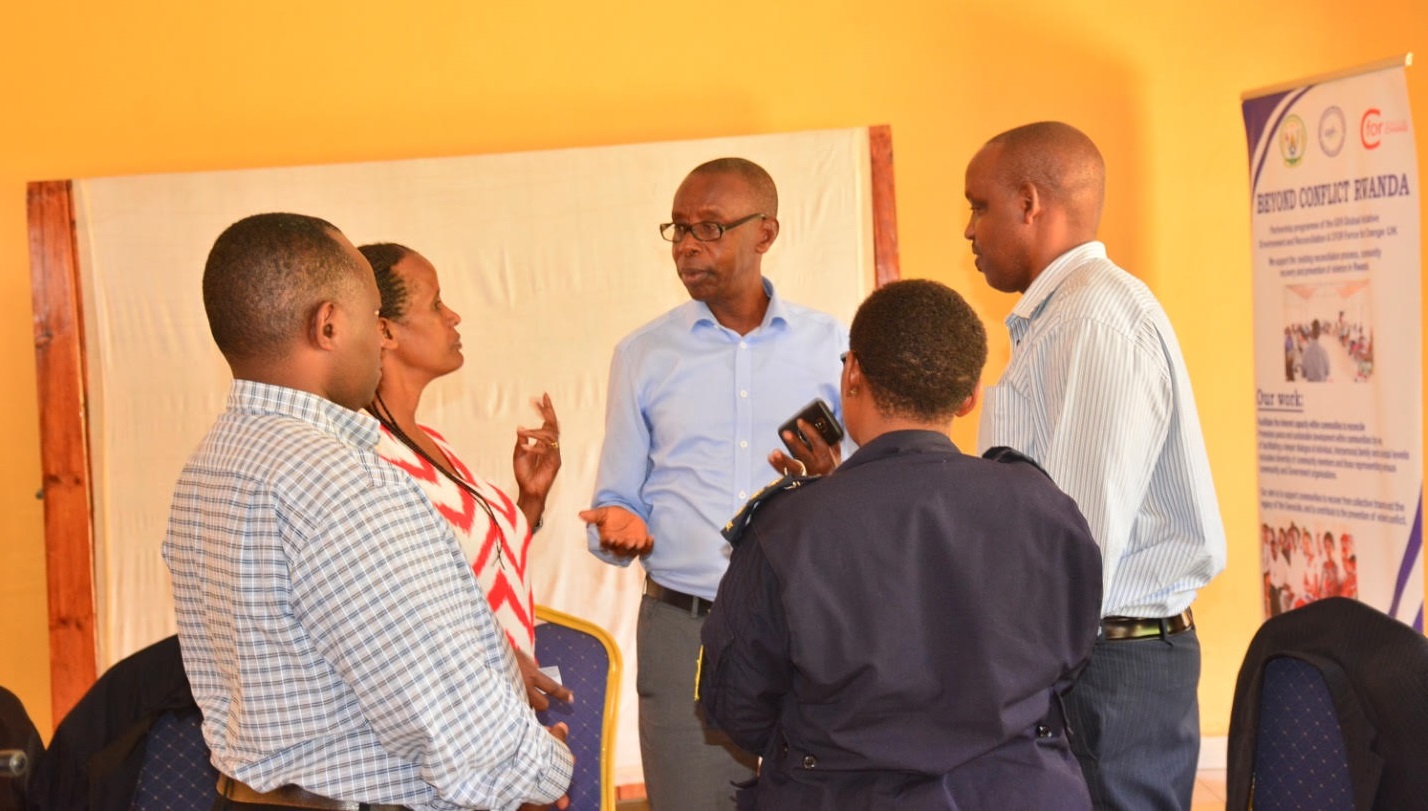
The programme has been underway since 2016. Forum participants include perpetrators and victims of violence, community members as well as those working within organisations to support recovery – all dealing with their own personal experience, the legacy of the genocide and the current needs of communities. Forum participants include survivors and perpetrators, youth and elders, local authorities, government and community groups.
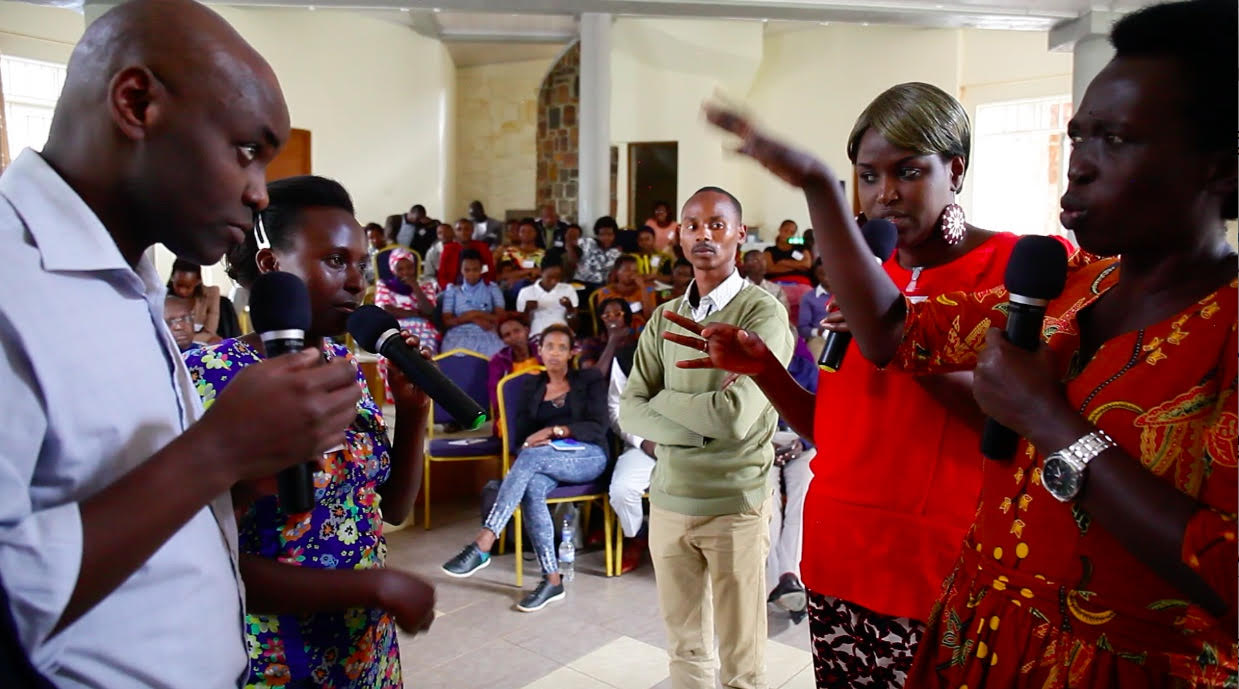
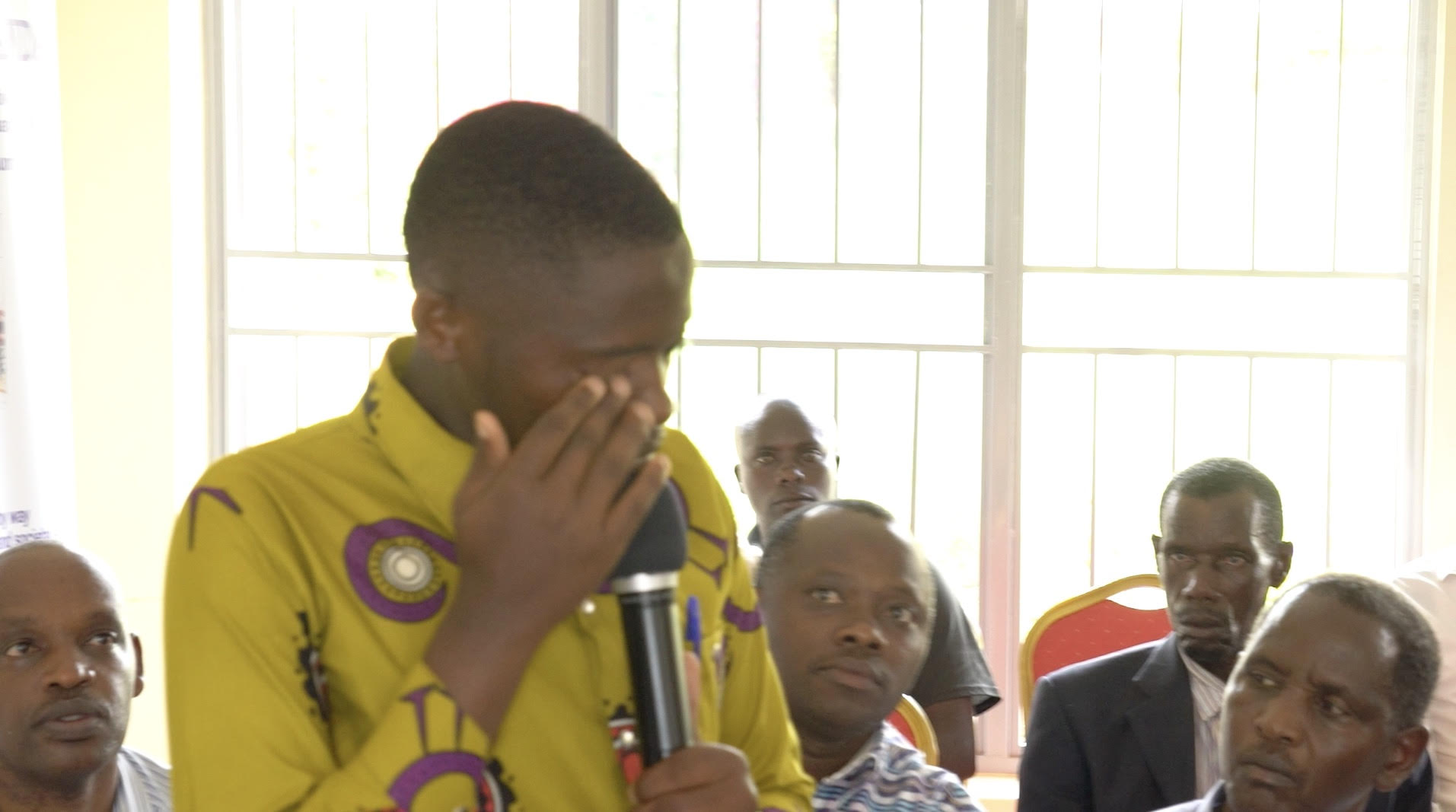
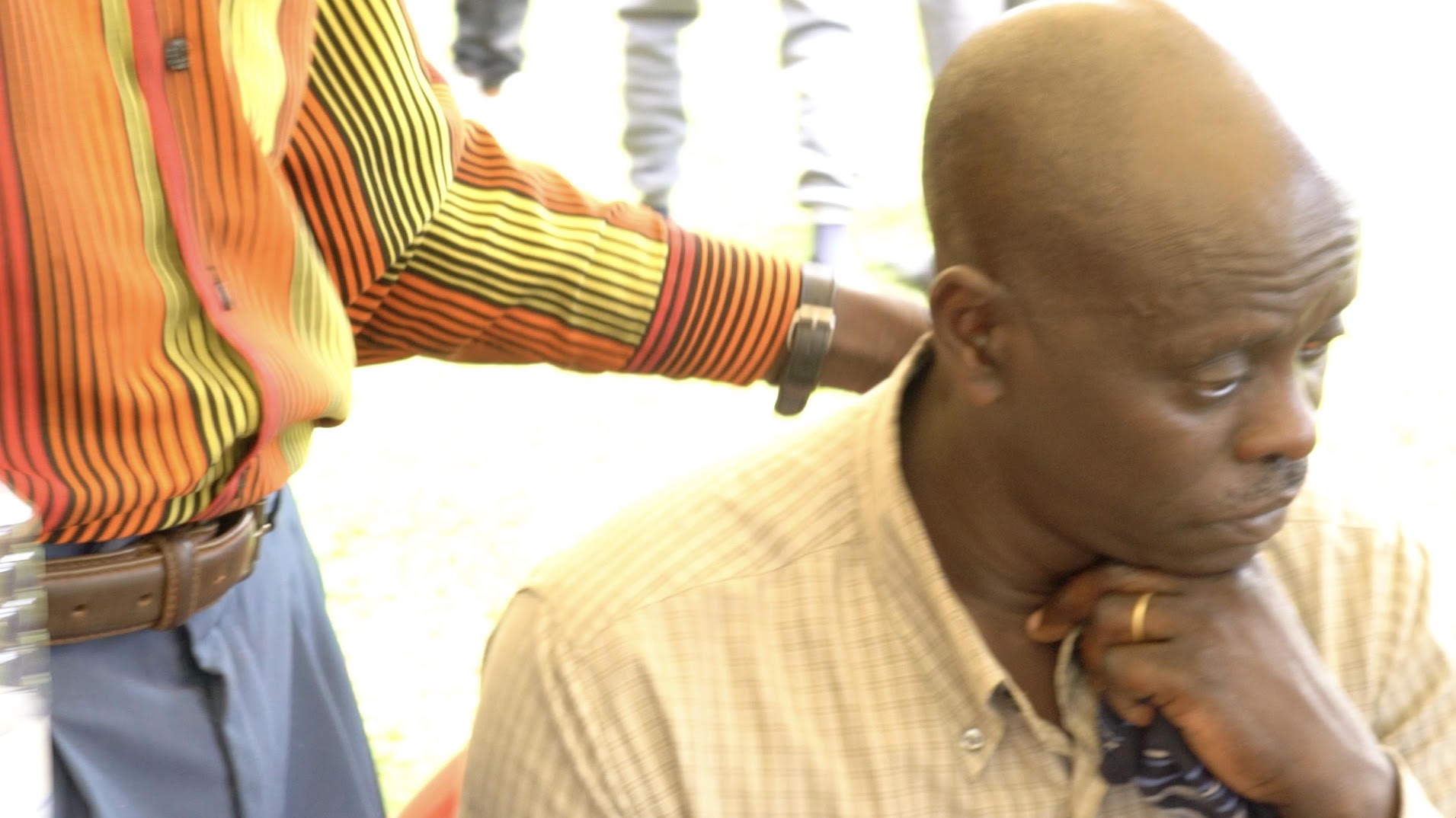
Throughout society, there is a profound impact of the 1994 Genocide against Tutsi, including on the next generation, children of survivors and perpetrators and those born from rape. In our forum interactions, survivors and perpetrators say again and again, that they would never have dreamed such interaction is possible, and that it transforms their lives and outlook.
Young people tell their elders that they are hungry to learn about what happened, and to work on their tensions with one another, as children of perpetrators and children of survivors, so as to not repeat the legacy of violence in the next generation.
In post-conflict zones, community wide trauma can easily fuel fresh rounds of violence. It’s plain to see in our world, how easily we can ‘demonize’ and ‘dehumanize’ our enemies, and get polarized and manipulated into violence. Our experience applying ‘worldwork’ methods in post-conflict zones is that with facilitation, communities have a profound capacity and resilience to be able to meet, and process history together, so as to not fall victim to repeating rounds of violence, but rather to find shared pathways forward for recovery and violence prevention.
Mr. Musore’s vision is to bring this work to Rwanda in a way that supports the on-going National Reconciliation processes and the work of communities throughout the country.
Since 2016, our programme has reached many hundreds of participants. It is coordinated by Innocent Musore of GER in cooperation with Local and National Authorities. It has included five large forums, facilitated by Arlene and Jean-Claude Audergon, each lasting four days, held in 3 Districts (Kicukiro, Gasabo, Bugasera). We also held an additional 5 x 2 day Modular Training programme for a selected group of 60 participants. We also facilitated special forums, including for women who wanted to meet among themselves to talk about sexual violence; with Congolese refugees in a camp in Rwanda; and for religious leaders who wanted to grapple with their own accountability in the genocide, and role in supporting their communities. The forums and trainings were filmed.
Following our extraordinary four-day Forum in Bugasera in November 2018 with 200 participants, and our training modules in Kicukiro, we set up community facilitator groups. Each group developed community projects, and met during 2019, with support from GER. In 2020, during the pandemic, GER continued to stay in touch with these community facilitators. In 2021, with mentoring from CFOR, GER with continued engagement from the community facilitators led in-person forum meetings for youth. During this time, the programme expanded to 2 new Districts (Rwamagana, Ruhango), while the Musanze District was planned but on hold due to COVID-19 restrictions.
From 2022 through 2025, we have been focusing on two new projects in 6 mentioned Districts (Kicukiro, Gasabo, Bugasera, Musanze, Rwamagana, Ruhango). One is focused on the role of youth in the process of reconciliation, violence prevention and community building. A particular focus is the relationships between those youth who are children of perpetrators, and those who are children of survivors, as well as their heartfelt compassion and challenge towards the elder generation, and desire to deepen the process of reconciliation. The other project focuses on grappling with issues of gender – with a particular focus also on young people – as an essential link to processing the legacy of violence and processes of reconciliation, to prevent future violence.
Starting in 2026, we are training 50 Facilitators in an exciting new programme. Please read more about it in a section below.
Facilitating our Future Training in Rwanda, May - December 2026
CFOR and GER are excited to offer a new hybrid training programme starting in May 2026.
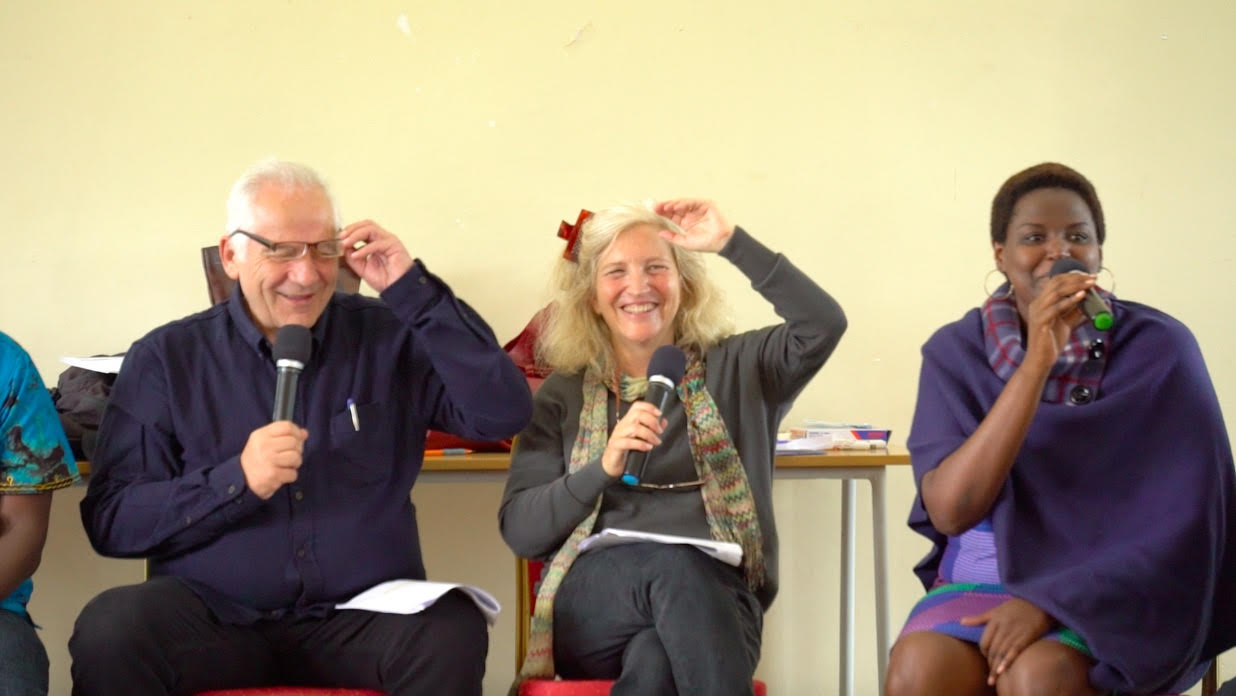
Innocent Musore and Gimu Shyikiro of GER are facilitating on the ground. Arlene Audergon and Anup Karia are training online.
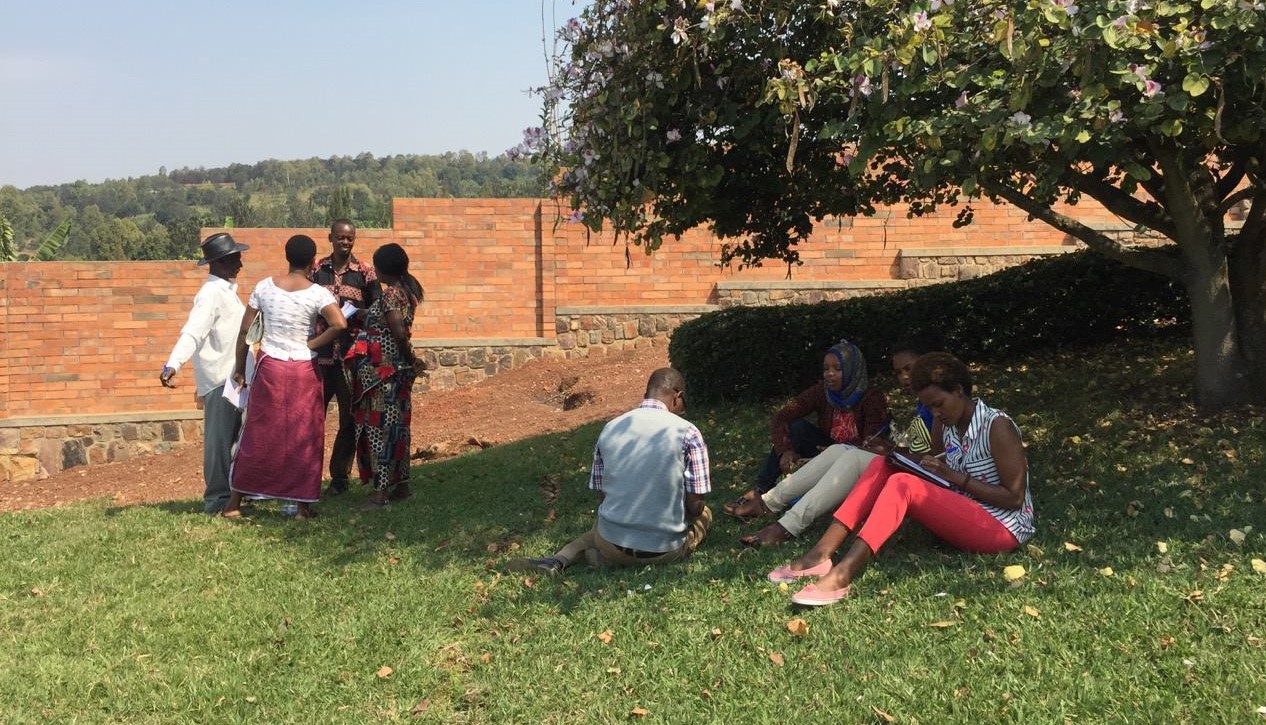
We will also follow and support the trainee facilitators as they bring their skills into their home communities. They will be working with issues of reconciliation, including facilitating dialogue in situations where there is renewed tension, as people who were perpetrators are newly released from prison.
The young people in our programme are particularly focused on wanting to support their elders, and wanting to facilitate their relationships, as children of perpetrators and survivors, or born from rape, and their passion about building a shared future and preventing future violence.
The schedule of 2026 training, Mondays
Module 1, May 11
Module 2, June 8
Module 3, Sept 14
Module 4, Oct 12
Module 5, Nov 9
Module 6, Dec 7
Far In Far Out: Rwanda – Youth, Reconciliation and the Future Project
Innocent Musore was leading this project in direct follow up from the five (5 x 3 day) large Forum events we held in Rwanda from 2016 through 2018, attended by hundreds of participants; the 5 (5×3) Module Training programme we delivered to a group of 60 selected participants; and the ongoing community activities since that time.
At the end of our Forum and Training in November 2018, we set up community facilitator groups, which continued meeting through 2019. In 2020, during the pandemic, GER stayed in contact with these community facilitators, meeting in small groups or on WhatsApp. In 2021, with mentoring support from CFOR, Innocent Musore facilitated in-person forum meetings for youth in 3 Districts and continued to support the community facilitators in their projects. Far out!
Started in 2022, this ‘Far in Far out’ project, ‘Rwanda – Youth, Reconciliation and our Future’ was focusing on young people and extending to 6 Districts. The project includes training, facilitation, mentoring and monitoring of their community projects, documentation, and dissemination of learning, within Rwanda and internationally.
Local authorities and government have given powerful feedback to the work of GER and CFOR. They expressed deep gratitude for the impact this work has contributed to the process of reconciliation in Rwanda over the years, and for this project, that focused on youth in 6 districts.
Rwanda’s political will to reconcile is exceptional, and a model for this world of ours. But, it is one thing, to say “we are all Rwandans” and another to be able to have such difficult and profound conversations among survivors and perpetrators. Again and again, people say that they never dreamed such a thing could be possible. It’s been life-changing for many in our Forums. One of the things that young people say – when asked – is that they are deeply concerned about how they, the grown children of survivors and the children of perpetrators, can work on their relationships and future. They also talk about the stigma of those born from rape during the genocide. They are urgent in their request to the elder generation to deepen the process of reconciliation, so to not pass it on to the next generation. They are passionate about reaching across generations to their parents, showing a depth of compassion for how difficult it is, and the desire to contribute.
About Innocent
Innocent Musore, the Founder and the Executive Director of GER, Peacebuilding activist in Rwanda and the region; with more than 10 years’ experience supporting the process of reconciliation and peace building in the region. He has been facilitating interactions, trainings and advocacy workshops to support existing reconciliation process, community recovery and the prevention of violence in Rwanda.
His activities engaged the healing of the post-genocide society and fighting the existing effects of the 1994 genocide against the Tutsi. He is interested in improving people’s relations and lives through development activities.
He will share the contribution of GER and CFOR to the reconciliation activities in Rwanda and highlight the existing conflicts situation in the region specifically Eastern DRC.
Innocent Musore holds a Bachelors Degree of Community Development and a Professional Certificate in Leadership and Facilitation: Community and Conflict Transformation issued by Process Work and CFOR.
Far In Far Out: Rwanda – Gender Awareness, Reconciliation and Violence Prevention Project
During one of our visits to Rwanda as part of the GER-CFOR programme, we held a forum for women only. Initiated by a couple women participants, they wanted to gather in facilitated dialogue to talk about their experiences of sexual violence during the 1994 Genocide against Tutsi. Over the years, Gimu, a board member of GER, who has attended our forum and training activities, expressed a strong interest in building awareness around gender issues among men, particularly in relation to ongoing domestic violence and the legacy of rape as a tactic of violence during the genocide.
In the Rwandan culture and elsewhere in Africa, speaking about sexual intimacy and sexual violence is restricted. Survivor victims of rape during the genocide and perpetrators who committed rape crimes during the genocide are not capable of breaking the silence about sexual violence during the genocide. This, therefore, affects their emotional healing and reconciliation process.
Gimu is dedicated to bringing awareness to issues of gender diversity and attitudes around masculinity that perpetuate violence. He believes that bringing awareness, and facilitating conversations about gender among youth is an essential part of the process of reconciliation and violence prevention for the future.
The project included training; facilitating in-depth dialogue on sensitive ‘hot spots’ linked to issues of gender; mentoring and monitoring participants’ community projects; documenting their experiences; and bringing the learning from the programme into the wider society, to local authorities, national government, security, religious leaders and media. The project also includes participants from six Districts.
In respect to gender awareness, Rwanda is more advanced than most countries when it comes to policy and representation of women in government. Yet – as is true everywhere –the reality of everyday life is often different than policy. Many women suffer deep-seated trauma from the widespread rape during the genocide, as well as ongoing domestic violence. Gimu points out that issues of gender have largely been missing from processes of reconciliation.
About Gimu
Gimu is dedicated to the process of exploring his own personal and professional development as a facilitator, to be able to work with such difficult and sensitive themes.
With a Bachelor’s Degree in Public Health and an Advanced Diploma in Nursing, I have 20 year of professional experience with expertise in gender and development, women’s empowerment, positive masculinities promotion, Sexual and reproductive Health and Rights (SRHR) activism, I am well skilled in prevention of violence against women-VAW, conflict management, and HIV/AIDS programs.
I have experience in engaging me (Men Engage Approach) in Maternal and Child Health, Family Planning, Conflict resolution, Gender Transformative Approach, Community scorecards approach, leadership and decision making, Monitoring and evaluation.
During my professional experience, I worked with diverse categories of communities including; refugees, sex workers, cross-border truckers, fishers and fish sellers, orphans and vulnerable children, teen mothers and fathers and people living with HIV/AIDS. I am also experienced in working with different structures; women, youth (in and out of schools) and local government structures in rural and urban areas through local and international organizations.
Reports, Summaries and News
Please find our reports and summaries related to the programme in Rwanda listed below:
- Read the GER & CFOR 2016 – 2025 Report, for an overview of the programme
- Read about #Kwibuka31: Standing Together: Rwandans Chart a Path to Unity and Resilience During 31st Genocide Commemoration here.
- See 2023 Report ‘Youth, Reconcilitation and the Future’ here.
- Read about reconciliation among Youth in the Musanze district here.
- Also read about Innocent’s FIFO Mentor sessions with Arlene here.
- See an article Local NGO working with youth on reconciliation and the future here.
- Take a look at Coordination meeting with youth team leaders for reconciliation in community Report here.
- See the report Training of Youth on Gender Awareness, Reconciliation and Violence Prevention in Gasabo and Kicukiro Districts here.
- Read the report about Youth training sessions on Gender awareness, Reconciliation and Violence prevention in Ruhango District here.
- See the report about Youth Training on Gender Awareness, Reconciliation and Violence Prevention in Bugesera District here.
- Read about Youth Training on Gender Awareness, Reconciliation and Violence Prevention
in Musanze & Rwamagana Districts here. - Read the full 2021 report ‘Healing the past, facilitating the future: Interactions with the post genocide generation’
- Read about the activities of ‘The Next Generation Project 2021’ Healing post genocide generation: Interaction held in Gahanga-Kicukiro
- See The Next Generation: Rwanda Project 2021
- Read about Healing and Reconciliation Experiences of Community Facilitators in Gasabo, Bugesera and Kicukiro Districts
- The latest report 2019- 2020: Trainees applying their learnings to community-level reconciliation.
- Report of Trainee facilitator activities supporting reconciliation at a community level in the Districts of Gasabo, Kicukiro and Bugesera, 2019.
- Participants of GER and CFOR’s Programme were invited to speak at the Rwanda’s 2019 International Day of Peace celebration in Parliament. Please read more about it here.
- CFOR-GER Beyond Conflict Rwanda 2018 full report.
- GER’s report: Masaka Mass Graves Kicukiro Kigali, July 2018.
- Summary of Forums in June 2017 and November 2017, Kigali, Rwanda.
- One page summary of June 2016 Forum in Kigali, Rwanda.
- The full report of the June 2016 Forum in Kigali, Rwanda.
Documentary Films and Articles
CFOR is dedicated to sharing the work done in Rwanda through filming and writing.
Visit our page with documentary films, explore and watch the films to find out more.
Also, read the article: Audergon & Audergon, ‘Contribution of worldwork methodology for violence prevention and community recovery after mass violence: An example from Rwanda’, in Psychotherapy and Politics International, John Wiley and Sons.GE